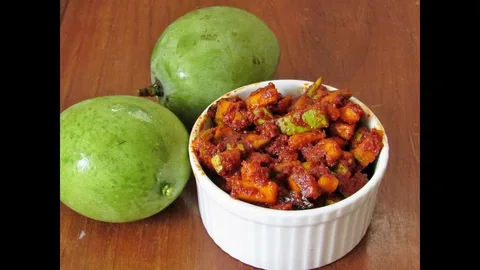
Indian pickles are more than condiments; they are stories preserved in oil, salt, and sunlight. Every jar holds a memory of summer afternoons, spice-stained hands, and recipes passed down without ever being written.
In today’s fast-paced kitchens, the ritual of making achar from scratch has become less common, but the love for it hasn’t faded. In fact, more people are actively seeking authentic, small-batch options like hing aam achar because they crave that deep, traditional flavour that factory-made versions often fail to deliver.
This renewed interest has brought brands like Nani Ka Pitara into the spotlight, not just as sellers of pickles, but as custodians of heritage recipes that respect time-tested methods.
Let’s explore why traditional pickle-making remains one of India’s most treasured culinary arts.
Pickles in India – More Than Just a Side Dish
In Indian households, achar is never an afterthought. Even the simplest meal — dal, rice, and roti – feels incomplete without a small spoonful on the side.
Pickles balance flavours beautifully. They add heat to bland dishes, tang to heavy meals, and depth to everyday staples. A little goes a long way.
But beyond taste, pickles have always served a practical purpose. Before refrigeration became common, pickling was a method of preservation. Seasonal produce like raw mangoes, lemons, and chillies was transformed into long-lasting accompaniments that could be enjoyed year-round.
Over time, this necessity evolved into tradition, and then into identity.
The Foundation of Authentic Pickle Making
True Indian pickle-making relies on four pillars:
1. Quality Ingredients
Raw mangoes must be firm and fibrous. Garlic cloves should be fresh and plump. Lemons must be juicy and bright. Spices should be freshly roasted and ground.
Compromising on ingredients directly affects flavour and shelf life. Traditional pickle makers understand that the smallest detail, from the quality of mustard oil to the freshness of fenugreek seeds, matters deeply.
2. The Right Spice Balance
Indian pickles are known for their bold spice blends. Mustard seeds add sharpness. Fenugreek provides a slight bitterness. Fennel brings mild sweetness. Red chilli powder delivers heat. Turmeric enhances colour and warmth.
The magic lies in balance. Too much of one element can overpower the rest. Experienced hands know how to blend spices intuitively.
3. Mustard Oil as a Preservative
In many North Indian pickles, mustard oil acts as both a flavour enhancer and natural preservative. Heated to smoking point and cooled before use, it creates a protective layer that prevents spoilage while infusing a deep aroma.
4. Sunlight and Patience
Perhaps the most essential ingredient of all time.
After mixing ingredients, jars are placed under the sun for days or even weeks. This slow curing allows flavours to deepen and mature naturally. It cannot be replicated instantly in commercial production lines.
Regional Diversity in Indian Pickles
India’s geography influences its pickles dramatically.
In Rajasthan and Uttar Pradesh, oil-based pickles dominate, rich in mustard and bold spices. In Gujarat, sweet notes from jaggery are often added. Andhra Pradesh is known for intensely spicy varieties like avakaya. South Indian pickles may lean towards sesame oil and curry leaves for distinct flavour.
Each region adapts pickle-making to its climate and palate. The diversity is immense, yet the foundation remains rooted in preservation and flavour intensity.
Why Traditional Pickles Taste Different
Mass-produced pickles often prioritise shelf stability over depth of flavour. Vinegar-heavy bases and artificial preservatives extend life but flatten complexity. Texture can feel overly soft, and spice blends may lack vibrancy.
Traditional pickles, however, evolve over time. Mango pieces gradually absorb oil and spices. Garlic cloves soften and mellow. The oil thickens and deepens in colour.
The result is layered taste, sour, spicy, earthy, and aromatic all at once.
This difference is exactly why consumers are returning to artisanal brands that value authenticity over speed.
The Role of Hygiene and Care
Old-school pickle-making may sound rustic, but it is meticulous.
Every utensil must be completely dry. Even a single drop of water can spoil an entire batch. Glass jars are preferred because they do not react with salt or spices. Pickles are always handled with dry spoons.
These small details ensure longevity without relying on artificial stabilisers.
Traditional methods are built on precision disguised as simplicity.
Modern Revival of Homemade Pickles
As awareness about food quality increases, people are moving away from overly processed products. They are reading labels more carefully and choosing fewer ingredients over long chemical names.
Pickles made using traditional techniques resonate with this shift. They represent transparency. You know what goes into them. You can taste the difference.
This revival is not about nostalgia alone; it’s about trust.
Pairing Pickles Beyond the Obvious
While dal-chawal remains the classic pairing, Indian pickles are surprisingly versatile.
They add boldness to stuffed parathas and wraps. They can be mixed into curd rice for a tangy twist. A small spoonful can elevate khichdi instantly. Even modern dishes like sandwiches and grain bowls benefit from a touch of achar oil.
The beauty of a pickle lies in its ability to transform the simplest ingredients into something memorable.
Preserving a Culinary Legacy
The art of pickle-making is slowly disappearing from urban households. Busy schedules leave little time for sun-curing jars and hand-roasting spices.
But the demand for authentic flavour remains strong. And as long as that demand exists, the tradition will survive — carried forward by those who honour the original methods.
Traditional pickles are not just about taste. They represent patience in a fast world. Craft in an age of shortcuts. Heritage in a jar.
And perhaps that is why Indian pickles continue to hold such a powerful place in our kitchens — not just as accompaniments, but as reminders of where we come from.